The Non-Expat Expat: Not Fitting The Box

We’ve lived away from our birth country for 20 years and a lot’s happened in that time – we moved to the USA, raised a family, took American citizenship, relocated back to Europe and will move on again. The first two moves were career driven (my husband’s – I’ve accompanied him and reinvented myself each time), the last will be our choice – but not back to our ‘home’ country.

Throughout these years I’ve never considered myself an ‘expat’, although in the broadest sense we are. In my head ‘real’ expats are those who have a life of continual 3 to 4-year global contracts, who are on expat packages, spend the summers in their home countries and where most will return when their working lives are over. They are never in doubt who they are, where they belong, or where ‘home’ is.

There are also the ‘silver expats’ – retirees who after a life living (generally) in one country, opt for a retirement move to somewhere warmer and more relaxed. A last hoorah, a new adventure and a chance to break the mould. I salute them, but oftentimes the adventure ends when a partner dies, illness strikes or family reasons drive them ‘home’.

Then there are the travellers, those young souls (irrespective of age), who can’t resist seeing what’s over the next horizon, the eternally curious, eager to see what they can before ‘real life’ and social constraint try to pull them back into line.

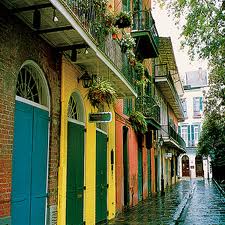
New Orl etc 7-2005 b 139


We’ve never fitted a particular box. Wherever we’ve lived has been home, we’ve never experienced life on an expat package – we’ve been local from day one – so no tax-free salaries or generous family travel allowances. We’ve bought homes, settled in and got on with life.

When we moved to the US we never intended to leave, but opportunities come up and you take them. We know our stay in the Netherlands won’t be permanent (cold weather, high taxation, population density), not when we have the choice of living in the whole of the US and Europe – not to mention the rest of the world.

The biggest impact of our choice to live overseas has been on our children rather than us. Something that wasn’t on our radar in the days before the Internet, social media and Google. At a time when books on global mobility weren’t researched let alone written. In some ways we feel we have been pioneers, but it’s been a huge regret (guilt?) we didn’t have the tools to help our children transition better. Our motives were good (better opportunities, life enhancing) but the costs have, at times, been high.

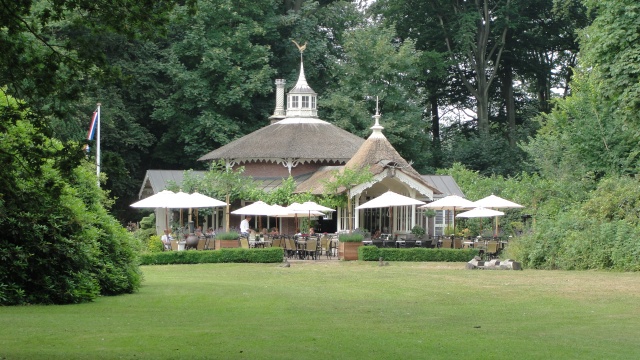
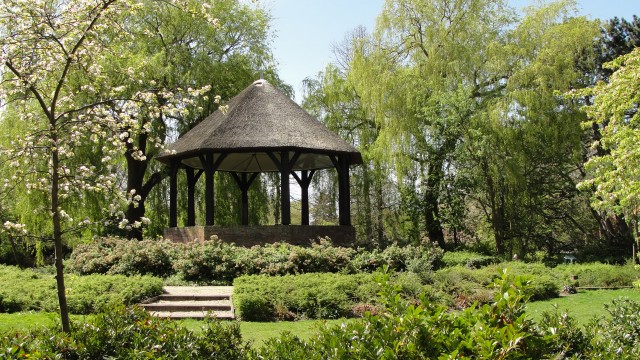
THEE PAVILION

Our eldest moved back to our/ his birth country and  married his English Rose (he always said he would marry an English girl). He struggled/ struggles with transition and change. His younger sister – Little Miss America – remained in the States, and is living and working the American Dream in Houston, sharing her life with a native (Italian/ Irish) New Yorker.

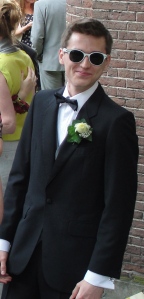
Our youngest son moved with us to the Netherlands, attended the American School of The Hague, and can see no point in staying in the same place when there’s a whole world out there. He’s about to graduate from the University of British Columbia  in Vancouver, Canada, as far west as he could get from here. He has no plans to leave.

Despite the distances between us we are an incredibly close, tight-knit family unit. Perhaps because we’ve had to rely on each other while adjusting to cultural and social change. The distances and time zones between us are accepted, we plan ahead for when we can get together, and Skype is a Godsend.

IMAG0302-2

For any young family having the chance to move overseas today, times are very different. The toolbox is well packed when it comes to helping and guiding your children through global transition. Most kids will adjust well, some need a little more help. The help is there in research, books and the Internet.

Today we have no concept of ‘home’ in a geographic sense. This used to worry me and I know it caused consternation for our families that we no longer felt, or identified ourselves as, ‘British’. I used to feel wholly American, now not so much. I find I can’t identify with any given nationality, but am most comfortable surrounded by people like me, who are from everywhere.

And this will be the future as more people interact globally, as more children grow up and are educated in international communities and see their place in the world as global citizens.

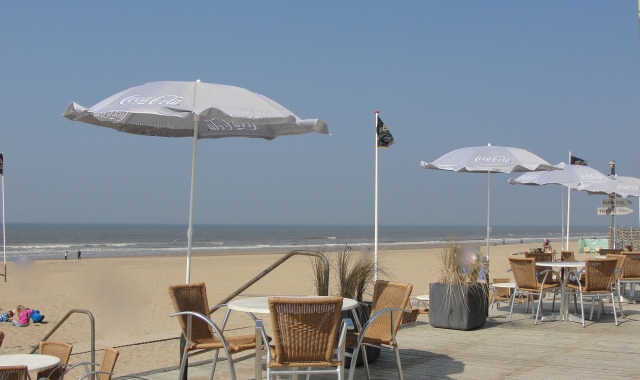
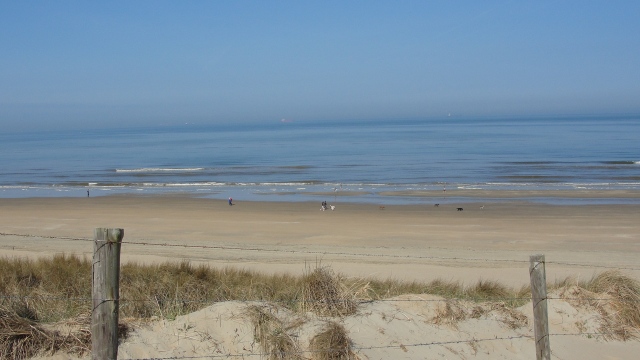
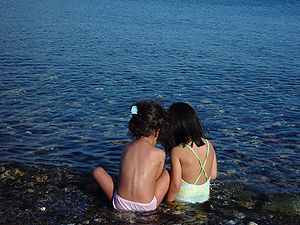
WASSENAAR BEACH

The last 20 years have, at times, been incredibly challenging, but those challenges have been balanced by the positive, exciting experiences we’ve enjoyed and the amazing people who have been a part of our lives. We would never have seen the world from this perspective if we’d stayed ‘home’.

So what have those years taught us? After recently contributing to the HiFX expat tips page, I thought I would share with you a few thoughts:

People are more the same than different: Language and cultural/ social mores may be different but people the world over generally want the same things – to fall in love, raise and educate a family, and live in a safe and peaceful environment.

Learn the language: Even the basics will help you feel more connected and settled, bottom line it’s good manners in a host country.

Be open: Don’t have an ‘us’ and ‘them’ mentality. I hate hearing things like “they have no idea how to do things here”. Because things are done differently to they way you have done them, doesn’t mean they are ‘worse’ just different.

There will be down times: Wherever you are life will have its ups and downs, especially when you’re in transition to a new country/ culture. Acccept it as part of the adjustment process. Seek help if ‘feeling down’ or withdrawing from those around you persists for a long period.

Maintain a sense of humour: Laugh at yourself and with others, it’s the best form of communication. And your worst disasters make the best stories down the years.

Have fun: Having fun is what life – and your adventure – is all about. Fun people attract others. Being around positive energy makes everyone feel good and helps when life hits a few bumps in the road.

If you’re thinking about moving overseas, figure the worst that can happen and if you can deal with that, then go for it. Nothing is permanent – except regret.

Change is constant and things are changing for us too. A new stage of life, new adventures, – anything is possible. But wherever life leads I hope we never lose our sense of adventure,  fun and curiosity.

Will keep you posted.


OLYMPUS DIGITAL CAMERA


Living in The Netherlands: What to Bring with You

I was recently asked what would be an essential item to bring to the Netherlands if I was moving here. A loaded question – one I didn’t want to answer without serious consideration.

Much depends on where you’re coming from, whether this is your first overseas move and what stage of life you’re at. Single, with a partner, married no kids, married with young kids, married with teens, married with an empty nest, divorced. Whether you’re moving with your job, your spouse’s job, or passing through. Are you approaching the move with excitement, trepidation or exhaustion? Serious things to consider when you’re asked to hand out advice.

I’ve put together some pointers, guidelines if you like, of things I found useful/ wish I’d known/ understood before we moved here.

1. Check out as much as you can before you get here, contact anyone you know who knows/ has known/ might know someone who is living or has lived here. Yes, I know it’s obvious but in the panic of moving, time is scarce. If you have kids their new school will be a phenomenal place to start. Check out the Friends of Wassenaar Facebook page – an incredible resource for information where you can ask specific questions and have the voices of experience, trial and error, answer them.

Let google be your new best friend. There are clubs and societies who are welcoming and helpful – make contact now and you’ll have friends waiting for you when you get here. Read blogs about life here.

Check out The American School of The Hague (ASH) which runs transitions programmes/ adult education courses throughout the school year – not limited to parents at the school but open to anyone. If you no longer have children living with you, or have left them behind in college, ASH has a Next Stage group (informally known as the empty nesters), open to people in the community who have a need – locals and expats alike.

2. Many companies are reducing or have stopped air freight for employees relocating to a new country. If they haven’t, use it wisely. I can only suggest what has worked for us. Everything we put in was to give an immediate sense of the familiar in a strange new place. Children’s bedding and second favorite toy. Family photos to put around a new home or these days a loaded digital frame. Favorite cooking pot and a few can’t-live-without utensils. Favorite food items – candy, cookies, favourite soap / shower gel. A few fridge magnets. A favorite game. It’s amazing how inventive you can get and how these insignificant things mean the most in the first transitional days.

I split our family photos into air, sea and carry-on so in the event of a disaster all would not be lost (it has happened to people we know).

3.  Keep all scanned family documents on a cloud, memory stick etc. (passports, birth/marriage/divorce certificates, Social Security cards, insurance documents, names and contact details of banks/lawyers/removal company, even your Christmas card list) anything you think might be needed. Put one stick in air freight, one in sea freight and one as a carry-on. We found this invaluable years after moving; when a family member suddenly needs a copy of passport / birth certificate we can zap one by email.

4. If you know where you will be living set up landline phone/internet/cable TV before you arrive if possible. Over the summer it can sometimes take 12 WEEKS to get connected. Find places with free wi-fi in the interim.

5. Buy a pay-as-you-go cell phone the second you get off the plane. It can often take a while to set up a contract phone especially if you have no initial address (the Dutch love their paperwork). It’s a good idea to have one so you have an emergency contact for school, removal people, new friends. It’ll make you feel more independent and the phone shops will set the language programs to English for you. If you decide to get a contract phone the pay-as-you-go will be essential for your guests to use when they start to visit.

6. If you use prescribed medications get a 6-12 month supply from your current GP, especially for children. Antibiotics are only prescribed here if you are on the point of death, so if you know you will need them discuss this with your current doctor and bring some over. Bring your favorite painkillers – Tylenol, Ibuprofen, migraine medications, whatever. Of course you can buy similar products here but all dosage instructions will be in Dutch – a stress you don’t need at 3am with a sick child. Ladies – certain over the counter items bought in other countries are by prescription only here. If you tend to get yeast infections bring some Monostat or equivalent with you, the same with birth control pills. It will make life less stressful until you can get established and settled.

7. The Netherlands is expensive relative to most countries, particularly the US. Bring children’s clothes if you can, shoes and most importantly underwear. Seriously. That applies to adults too. Unless you are tall and willowy getting clothes here to fit may be an issue. The shoulders may fit, but the body will be too long, as will sleeves and legs. It may take time to find your way around the clothes stores so save yourself the stress. Bring rain gear with you, including waterproof trousers – you will need them and it will be cheaper where you are. Umbrellas? Bring several.

8. Driving here after the US can be intimidating. Take time to learn the rules. You will not be allowed to chat on a cell phone and drive – it is not physically possible as all energy will be focused on watching for bikes. Assume everyone but you has priority, including bikes and pedestrians, and you won’t go far wrong. Unless marked, traffic coming from your right has priority – scary the first time a car pulls out at speed in front of you. Every summer there seem to be countless accidents as new people are caught out.

9. A pre-lit Christmas tree, transformer and your Christmas decorations. Come the dark days of December you’ll get so much pleasure knowing you have a tree ready to put up. I bought one in July, so it can be done. Much cheaper than here and stress free (so long as you buy a transformer). After a few years you might decide to ‘go native’ but for the first Christmas this is so worth it.

10. Bring a ready smile and a positive attitude, even if you’re ready to murder your spouse, the children or anyone in a five-mile radius. This can make or break your stay here. I know you know this but it doesn’t hurt to mention it again. There will be bad days but eventually you’ll realise the good outnumber the bad and before you know it the Netherlands has become ‘home’.

Welcome to the Netherlands – hope you enjoy your stay!

Interview with Expatsblog – USA to the Netherlands

A while ago I was interviewed by Expatsblog for their great website which is full of resources for anyone moving from somewhere to, well, just about anywhere else.

Their website a phenomenal amount of information available on wherever it is you’ll be heading (a particular favourite of mine is Iceland) – written by people who have made the journey before you and can give a heads-ups on the pitfalls and unique information only a local would know.

With that in mind I thought it was time to post this article for anyone headed to the Netherlands this year.

New arrivals to the Netherlands may also be interested to read:

The Netherlands: The Good, The Bad and The Frustrating

Living in The Netherlands: What to Bring with You
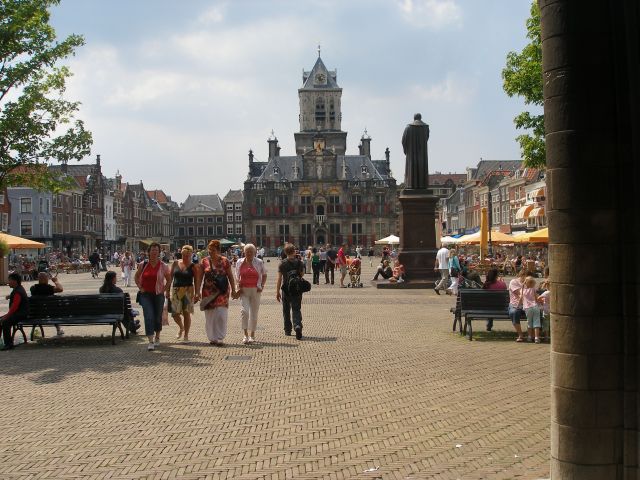
delft3622

Where are you originally from?                                                                                         Born and raised in the UK, moved to New Orleans, USA, eventually becoming a  naturalised US citizen.

In which country and city are you living now?
The Hague, the Netherlands.

How long have you lived here and how long are you planning to stay?            We’ve been here since July 2006. Our stay will not be permanent but we have no date – as yet – for leaving. We’re expecting another 3/4 years but who knows?

Why did you move and what do you do?
The company my husband works for moved its head office from the USA to the Netherlands. We decided to take the opportunity to return to Europe for a while – we have parents in the UK and felt the need to be closer to them as they get older. It was also a wonderful chance for our youngest child, who had only experienced life in the USA, to spend some time in Europe. I’m a freelance editor and writer – all I need is a laptop, so where we live is not an issue.

How did the decision impact your family? Did you bring family with you?      This was the toughest challenge for us. Once my husband accepted the position in the Netherlands our eldest son announced he was leaving the USA and returned to the UK, while our daughter, in her sophomore year at a US college, decided to stay there. Our youngest son, then 13, came with us. (He has now moved on to university in Vancouver, Canada). For the first time our family were separated from each other, and it has been a huge learning curve as we’ve adjusted to the difficulties of the physical distance and differing time zones between us.

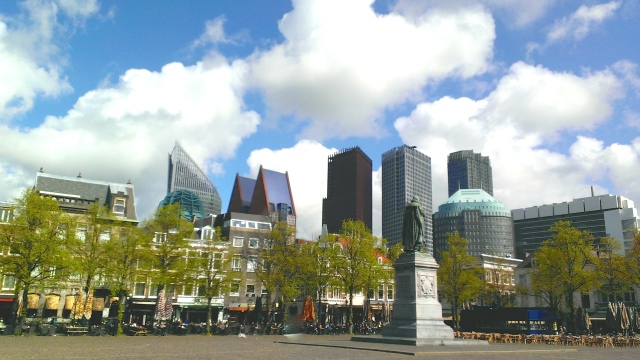
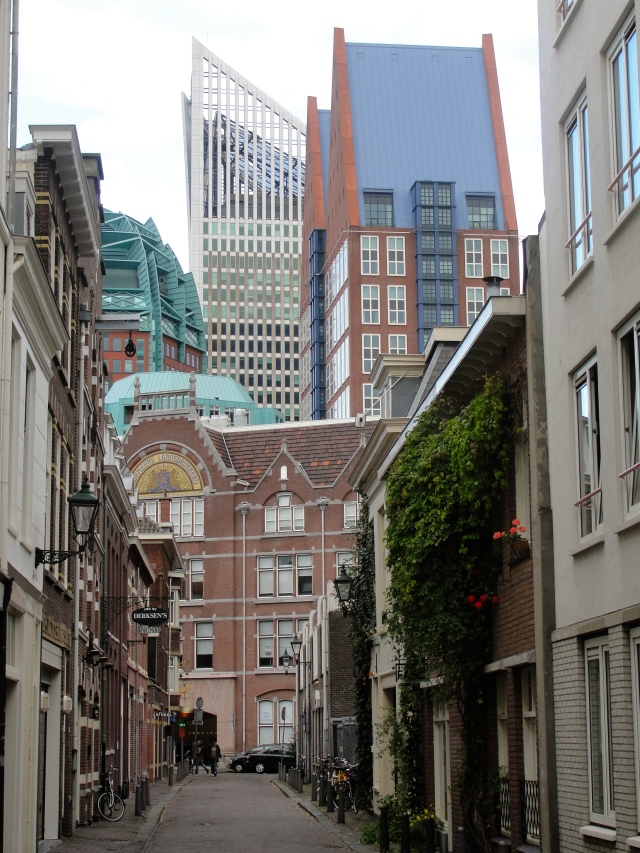
den-haag-007.jpg

How did you find the transition to living in a foreign country?
Relatively easy as both my husband and I had grown up in Europe and have a European/ international mindset. Our youngest son attended the American school here, which put us in contact with other foreign nationals (not only Americans) who were in the same situation as us. We’re both social people, happy to say ‘yes’ and know the world won’t end if we make complete fools of ourselves.

Where did you decide to live in the Netherlands? Was it easy making friends and meeting people? Do you mainly socialise with other expats?
The Hague has an expat population of around 50,000 and the city is home to 131+ international organisations, 316 international businesses, 102 embassies and 13 consulates. It has a diverse multi-cultural community whose working language is English. It is rare to meet anyone – local or expat – who doesn’t speak English. Meeting people has been incredibly easy but we socialise mainly with expats – mostly because our friends have been met through school/ work and tend to be international, including international Dutch.

What are the best things to do in the area; anything to recommend to future expats?
Whatever your interests, the Netherlands – and The Hague in particular – has a diversity of activities on offer. Theatres, museums, art galleries, concerts (every type) good restaurants and a real buzz with a café lifestyle and a lively nightlife. Situated close to the sea, there are miles of beaches, woodlands and public parks. Green space is highly valued and well maintained and, unsurprisingly, water plays a huge part in leisure activities. For an international city it feels safe and non-threatening – pedestrians and bikes have priority everywhere, and an exceptional public transport system of trams and trains. It’s a great place for singles, couples and families. It has more of a community feel than Amsterdam and the locals are tolerant and welcoming of the expat/ foreign community.

© Jane Dean Wassenaar

What do you enjoy most about living here?
Ease of global travel and travel within europe. Brussels is 2 hours, Paris 3 hours by train (5 by car) – I have a friend who regularly takes a day trip to the Louvre – and driving is fast and easy, once you leave the Netherlands. (The Dutch are strict on speed limits with speed cameras everywhere. The good news is you receive a speeding fine through the mail and pay it – there are no penalties on your Drivers’ licence.)

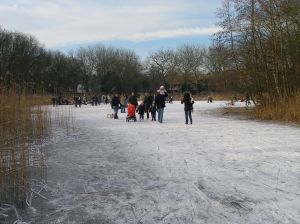
The Netherlands is at it’s most beautiful in spring – but we enjoy the four season climate and make the best of the sunshine when we see it! The winters can be fun too, especially if the canals freeze and everyone dusts off their ice-skates. We love that everyone rides bikes – it’s safe for the kids to bike to school and get around without having to rely on parents to ferry them everywhere. Teens here seem more mature as they are allowed to be independent from a younger age than many cultures, and it is safe for them to be out on their own. The Dutch are tolerant, and we love being part of an international/ multicultural community.

How does the cost of living compare to home?
Very expensive compared to the USA and UK. Housing costs are mind-boggling in both buying and rental markets. Clothing, electronics and eating out are expensive. However, this is all relative depending where you’ve moved from.

© Jane Dean, Wassenaar Bandstand

What negatives, if any, are there to living here?
The Netherlands is a densely populated country which can be a shock if you’re used to big open spaces. However, the Dutch cope with this extremely well – they respect each other’s privacy and personal space. High density living is balanced by well-planned public open space – parks, woodland, beaches – and well-designed housing.

Unfortunately the Dutch themselves can be very abrupt in their manner and can come across as rude. Sometimes they are plain rude! It’s something everyone who moves here has to adjust to. Lack of customer service is a real issue – 12 weeks for Internet connection in the summer months is not unusual. Customer satisfaction is not on the Dutch radar, ‘It is not possible’ being a well-known mantra, although things are changing as the recession bites.

When the weather is good and the sun shines the whole country takes to the bike paths, beaches, water – any outdoor space – and it can be overwhelming to be among so many people. The weather is a challenge if you move from somewhere warmer – if you love grey and rain, this could be the place for you. It doesn’t always do it for me.
The Dutch health philosophy may be difficult to adjust to if you move from the USA, but we have experienced the same standard of care as in the US and have had no issues.

If you could pick one piece of advice to anyone moving here, what would it be?            Maintain a sense of humour, keep smiling and embrace the good things the Netherlands has to offer – you will find them.

What has been the hardest aspect to your expat experience so far?
The scattering of our family around the globe and maintaining a close-knit unit when we’re separated by thousands of miles and several time zones. Losing friends has been hard too – many expats are here on 2/3 year assignments so friendships will be made only to end when the friend leaves. It can be hard always being the one left behind.

The language – although English is widely spoken all official documents/ paperwork is in Dutch. Phone the cable company/ phone company/ hospital/ plumber and you are likely to be faced with a menu selection in Dutch. You will find your way through this, but it can be tough when you’ve just arrived. The Hague has recently taken a decision to make all street signs Dutch and English, a small move but greatly appreciated.

© Jane Dean

When you finally return home, how do you think you’ll cope with repatriation?                                                                                                                            This will be interesting as home has always been where we are. Holding both US and UK (therefore European) passports offers us a huge choice of where we might ultimately live. We know the Netherlands, for a variety of reasons, is not our final destination. That may depend on where our children live. Or not.

What are your top 5 expat tips for anyone following in your footsteps?
1. Do your research, there is so much information on the Internet, use it. Don’t overlook the possible negative effects the move may have on your family and research this too. There are some superb books out there to help with cultural adjustment, particularly with a family.

2. Learn the basics of the language (it’s good manners), along with other local customs – it’ll help you to adjust more quickly.

3. NEVER refer to the Dutch (or any other host nation) as ‘they’ (as in ‘they have no idea how to do things here’). This makes me cringe. Because things may be done differently does not mean they are worse or better, only different.

4. Get out and socialise as soon as you can – the unpacking will wait.

5. Stay positive, be open to new experiences, embrace the journey and have FUN!

Tell us a bit about your own expat blog.
Wordgeyser began in 2010 as a way of making sense of my surroundings – not where we’ve been, what we’ve seen, but our experiences in settling into a different culture. The struggles of learning a new language, dealing with the health system, learning a new way of doing things, appreciating a different social philosophy.

Generally little is written about the harder side of expat life – dealing with death and illness of family and friends from a distance, sometimes feeling isolated and rootless, and losing your identity as a trailing spouse – I’ve tried to be honest and write about the good, bad and sad of international life while being upbeat and positive.

I hope the blog is more fun/ humorous than serious, (life in the Netherlands with a teenage boy and parenting our older two over time zones has resulted in a lot of useful material over the years, as have the complications of learning a new language) but life isn’t always perfect and pretending otherwise is not helpful or realistic.

I’ve been surprised how much our experiences have resonated with both long-term and newly arrived expats

How can you be contacted for further advice to future expats coming to your area?
Via email wordgeyser@gmail.com                                                                                                Twitter @wordgeyser                                                                                                                 Facebook http://www.facebook.com/Wordgeyser                                                                              LinkedIn

Wordgeyser has an ExpatsBlog.com listing here so add a review if you like! If you appreciated this interview with Jane, please also drop her a quick comment below.

© Jane Dean Wassenaar Beach, Netherlands

Older Parents: When to Step In

Good health is something I’ve generally taken for granted, my own and that of my family. We’ve been lucky over the years and despite some major issues with Missy, our daughter, last year, I’ve never thought of us as being anything other than blessedly ‘normal’. Anything that has occurred has been relatively routine and the patient at the time has recovered well.

We’ve been lucky that my parents have been healthy too. Now in their 80s, they have always lived life at full speed and people generally assume they are 15-20 years younger than they are – including the medical profession. Which augurs extremely well for the rest of us.

However, having such independent and capable parents has almost lulled us into a false sense of security. Any suggestion they might slow down, take things a little easier, are met with an icy silence and a change of subject. The word ‘stair lift’ was enough to freeze hell over.

Surviving an aggressive form of prostate cancer a few years ago left my father a little more tired, but certainly not frail or defeated. The recent news he was to have a new knee thrilled us all – being physically curtailed and dealing with chronic pain was seriously impacting his quality of life, to say nothing of my mother’s. A local anaesthetic, a five-day hospital stay and he’d be racing around like a man half his age.

We were also delighted his age was not a barrier for the procedure, that his doctors recognised he was a man whose life would be enhanced by this relatively simple operation. My father started the pre-op muscle-strengthening exercises immediately – he is nothing if not enthusiastic and committed to whatever he’s doing.

My going home to help out was not something that was needed, ‘Oh darling, we’ll be absolutely fine,’ my mother chatted airily, ‘he’ll be home before we know it. You know what he’s like, we’ll be absolutely fine.’ With our family vacation booked 10 days after his operation, it was working well for everyone. He’d be home and recovered before we left.

Except it didn’t go like clockwork.

When the local anaesthetic failed he was given a general anaesthetic. Although the procedure went well, he required a blood transfusion and rehydration with a drip afterwards. The drip caused his sodium levels to dilute, which mixed with heavy-duty pain meds and a double-dose of anaesthesia led to severe mental confusion.

Five days after the operation he suffered a fall. Late that evening, taken to the x-ray lab to assess any damage to his new knee, he refused to have the x-ray , started to get aggressive and threatening with the staff and subsequently refused all medication.

My mother phoned us early the next morning, a Sunday, to give us an update. Waking up from a deep sleep I realised my alert spouse was dealing with the call and ended it before I’d come round.

‘You can call her back in a minute when you’ve got yourself together,’ he said before I had a chance to say anything. ‘She’ll want to talk to you, but at least she’s got it all off her chest now. She’s fine, really.’ Except people don’t phone early on a Sunday morning if everything is fine and we both knew it.

‘Do you think I should go over? Today?’

We knew the week ahead was full for both of us. Missy arriving from Houston the next morning, him leaving for Dubai Tuesday, two dogs to put into kennels which we knew were already booked for the summer, and Missy and Harry scheduled to be working all week. To say nothing of our leaving for vacation on the Friday night. We looked at each other.

‘Let’s think this through before you phone your mum. I’ll go make a cup of tea and get the laptop fired up, we can figure something out. This kind of thing is what we do best. And one of the main reasons we moved back to Europe was to be closer for our parents when we were needed.’ He smiled, ran his fingers through his sleep-mussed hair and headed to the kitchen.

Fifteen minutes later I made the call to my mum. Holding herself together to speak to her son-in-law had been one thing, putting the phone down and facing the fear that something had gone seriously wrong with my father had reduced her to tears.

‘Mum, it’s me. Listen… I know what’s happened and I’m coming over… today. The flight’s booked, I’ll be there this afternoon, I’ll come to wherever you are. I can stay as long as you need me to, a couple of days, a week, whatever it takes. Okay?’ There was a gulping silence at the end of the phone and then a whispered, ‘Thank you.’ It was the first time my mother has accepted help without discussion or debate.

Seeing my father was a shock – the same can be said of him seeing me. That I was at his bedside obviously meant he was on his way ‘out’. He was confused, his speech incoherent, struggling to connect through the brain-fog. Over subsequent days, as the pain meds were replaced by paracetamol, the sodium levels restored and his head cleared, we began to understand where his mind had been after the operation.

In a pretty weird place it seems – Alice would have felt very much at home. Chatting with my mum the day after I arrived, he looked at her in fascination and suddenly announced, ‘I’m so sorry to interrupt darling, but I wanted you to know a snake just crawled across your face…’ It seems there was also a two foot long white caterpillar living in the bathroom, which moved across the floor whenever he went in, a mural of Roman centurions on the wall behind his bed, garlands of flowers wrapped on the curtain rails around his bed, birds flying across the opposite wall and he was blown away by the psychedelic uniforms worn by the nursing staff.

He was mortified, after recounting a terrifying dream he’d had about being kidnapped in the middle of the night, to discover that was when he had refused the x-ray and his medication, and accounted for the appalling language and threatening behaviour aimed at the nursing staff.

As the confusion cleared his own fears emerged, why wasn’t he at home, why was he still here? What was wrong? I held his hand one morning, sensing his frail mood and frustration that things hadn’t gone as he’d hoped.

‘I’m not scared of dying, y’know,’ he announced from nowhere, his restless fingers in mine. ‘I’d just rather not be there when it happens.’ I figured he’d turned a corner – his spirit had been dimmed for a while, but not diminished.

I was with my parents for only a few days, it was all that was needed. Perhaps just knowing someone else was there was enough.

We were lucky this trip has ended as successfully as it has – a Skype with my parents this past weekend has assured us of that – and I’m thankful for the silver lining: the reassurance and unspoken promise we will be there, that we will do whatever it takes to be with them when they need us. That despite parental assurances things are ‘okay’ we can read between the lines, that they don’t ever have to ask, it’s a given.

Where has the year gone?

It is with shock and horror I realise how long it’s been since I last posted on Wordgeyser. I wish I could tell you I’ve been traveling the world, or training to be an astronaut ready for the manned space flight to Mars (the Captain and I did discuss it briefly), or some other mega life-changing opportunity. Or found a new passion, discovering a latent talent for painting or poetry or music.

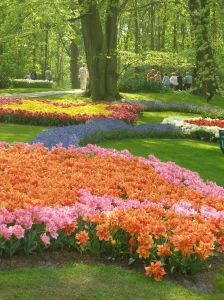
Much has been happening here in the Netherlands this spring that warrants my sharing with those who have lived here, or who are planning to move here. The opening of the fabulous Rijksmuseum after a ten year refurbishment, the abdication of Queen Beatrix and accession of her son King Willem-Alexander. The awful cold, wet spring which saw the world renowned Keukenhof gardens open with so few flowers it was embarrassing – then a week or so later to see snowdrops, crocuses, daffodils and tulips all blooming at the same time.

Numerous little day-to-day details of life here in the Low Countries that should be recounted and shared. The seemingly large number of people leaving the Netherlands this summer – among them, sadly, many dear friends – and the new arrivals coming in. The return of our youngest after his first year at college and an update on our first year as empty nesters, the latest (canine) addition to our family. But no, the laptop keys have remained silent when it comes to blog content.

So what have I been up to? In many ways I’m hard pressed to remember. The spring has flown by (thankfully) in a cold, wet and grey mist, rather like my brain, which has been absorbed in my second favourite passion after writing – editing.

Editing suits my personality traits of attention to detail and getting things right. It’s not only a matter of the big picture, the pacing and flow, or correct grammar, it’s finding the perfect nuance, the best word to convey a meaning, emotion or idea, deleting the text that adds no value, removing ambiguity, refining the text to a clear, sharp focus. Helping the author take their ideas, thoughts and manuscript to the highest level possible – while maintaining their own voice and style.

The nearest I can get to describing the process is like being a midwife – while the author sits clutching a finished manuscript, terrified of handing it to someone else, terrified of setting it free into the world, yet knowing it’s going to happen one way or another. How painful that process is depends on the relationship of trust between the parent and the midwife.

It is a relationship of delicate balances. The author will often be unsure why an editor is needed: after all it is their book, their idea, their writing. By the time the book is presented to the world, the first published copy, crisp and new, held between unbelieving fingers, they wonder how it could have happened without one.

It’s a tough time for the editor too – having been on such an emotional and creative roller-coaster with another writer, lived and breathed their work for months at a time, suddenly it’s over. It’s done.

That wonderful sense of euphoria is exhilarating, accompanied by a sense of pride that another project is successfully completed, and someone else understands what an editor really does.

And yet… there is a certain sadness that the symbiotic relationship between writer and editor is over, as the writer moves into the next stage with their book – sales and marketing.

Like the midwife, there is always the next project, the next author. Each book is different, each relationship with an author is different. It’s enriching, exciting, and often exhausting – always with deadlines and dramas to navigate.

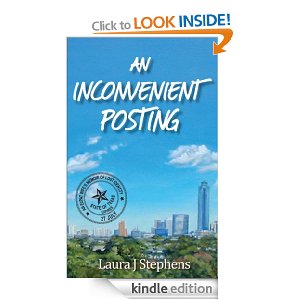
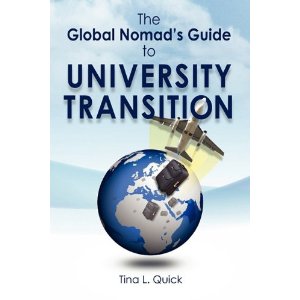
I’m lucky I get to work with book designers too, talented, gifted individuals who continue to thrill me with their ideas for covers and the look of internal pages. And then the production stage, when the switch from manuscript to PDF for print causes wonderful technical glitches.

During those long hours spent in the labor room, in the process of getting authors to breathe when they need to, and push when they are close to giving up, there seems little time for nurturing my own words. Yet nurturing them is essential – it is only through being comfortable with my own I can see the work of other writers clearly.

Now the time has come to redress the balance. I have set aside time over the summer for my own words, both blogging and in other places and it feels good to be back. There’s so much to catch up on, you won’t believe it…